

Previous one
None
Foreword
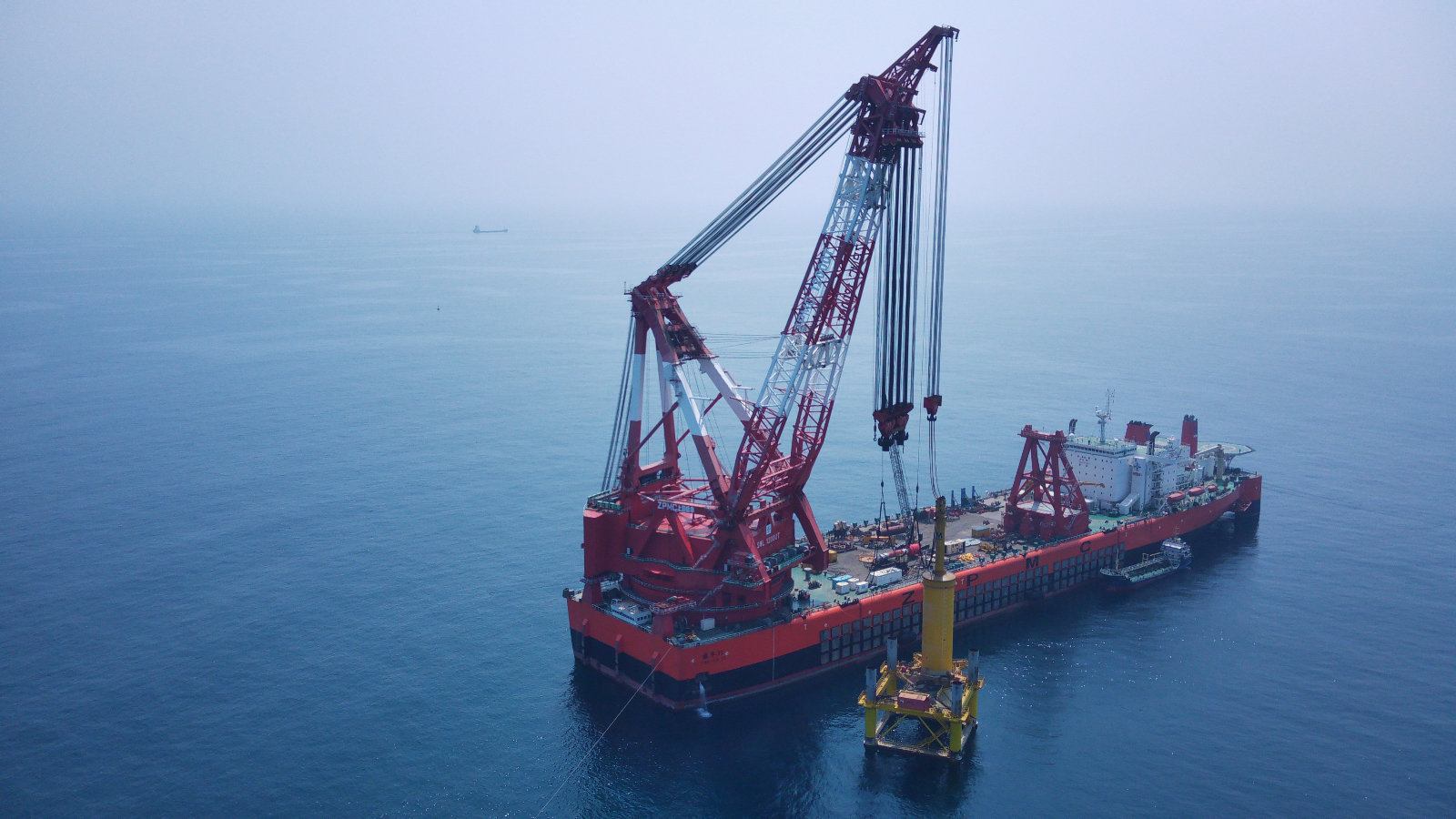
Steel wire ropes are the core load-bearing components of port handling equipment such as harbor cranes, ship unloaders, and ship loaders. Their safety condition directly determines personnel safety, equipment reliability, and port operational efficiency. Under high-load, high-salt-spray, and high-humidity environments, steel wire ropes are prone to deterioration including fatigue, wear, corrosion, and broken wires. Full-life-cycle management must be implemented in strict accordance with national standards.
This document is compiled based on current specifications including GB/T 5972-2023, GB/T 14737-2009, TSG 51-2023, and JTS 310-2025. It also introduces the Automatic Steel Wire Rope Lubrication and Maintenance Robot by Shandong Dexter Environmental Technology Development Co., Ltd (DETD)., providing ports with a standardized, intelligent, and safe integrated solution for steel wire rope maintenance.
1 Scope of Application
Applicable to the whole process of selection, installation, operation, inspection, lubrication, testing, discard, and file management of steel wire ropes for lifting machinery in ports, including quay cranes, gantry cranes, yard cranes, ship unloaders, grabs, and spreaders.
2 Core Standard Basis
1. GB/T 5972-2023 Cranes — Steel wire ropes — Care, maintenance, inspection and discard
2. GB/T 14737-2009 Technical conditions for use of slings for port handling
3. TSG 51-2023 Safety technology code for lifting machinery
4. JTS 310-2025 Technical code for maintenance of port infrastructure
5. Other relevant standards: GB 6067, GB 8918, GB/T 20118, etc.
3 Structure and Operation Requirements of Port Steel Wire Ropes
3.1 Common Structural Types
· Rope core: fiber core (good flexibility), steel core (high strength, extrusion-resistant)
· Contact form: mainly linear contact, high load capacity, wear-resistant, long service life
· Surface treatment: galvanized, plastic-coated, suitable for port salt-spray environment
3.2 Installation and Operation Requirements
· Neat winding on the drum without overlapping or crossing
· Reliable rope end fixing; splicing, pressing, and rope clamps meet strength specifications
· Overloading, impact, sudden stop, and sudden start are prohibited; uniform force for multi-rope mechanisms
· D/d ratio meets design requirements to reduce bending fatigue
4 Inspection and Testing System
4.1 Daily Inspection
· Conducted by operators during shift handover: broken wires, wear, corrosion, deformation, rope end fixing, lubrication condition, kinking, flattening, and other abnormalities.
4.2 Regular Inspection
· Systematic inspection quarterly: diameter measurement, broken wire counting, wear assessment, deformation testing, corrosion judgment, with key inspection on overlapping winding areas of the drum.
4.3 Testing Methods
· Visual inspection / magnifying glass inspection
· Diameter measurement with calipers to judge reduction
· Non-destructive testing such as electromagnetic flaw detection to identify internal hidden dangers
· Rope core condition assessment
5 Lubrication and Maintenance: The Key to Extending Service Life
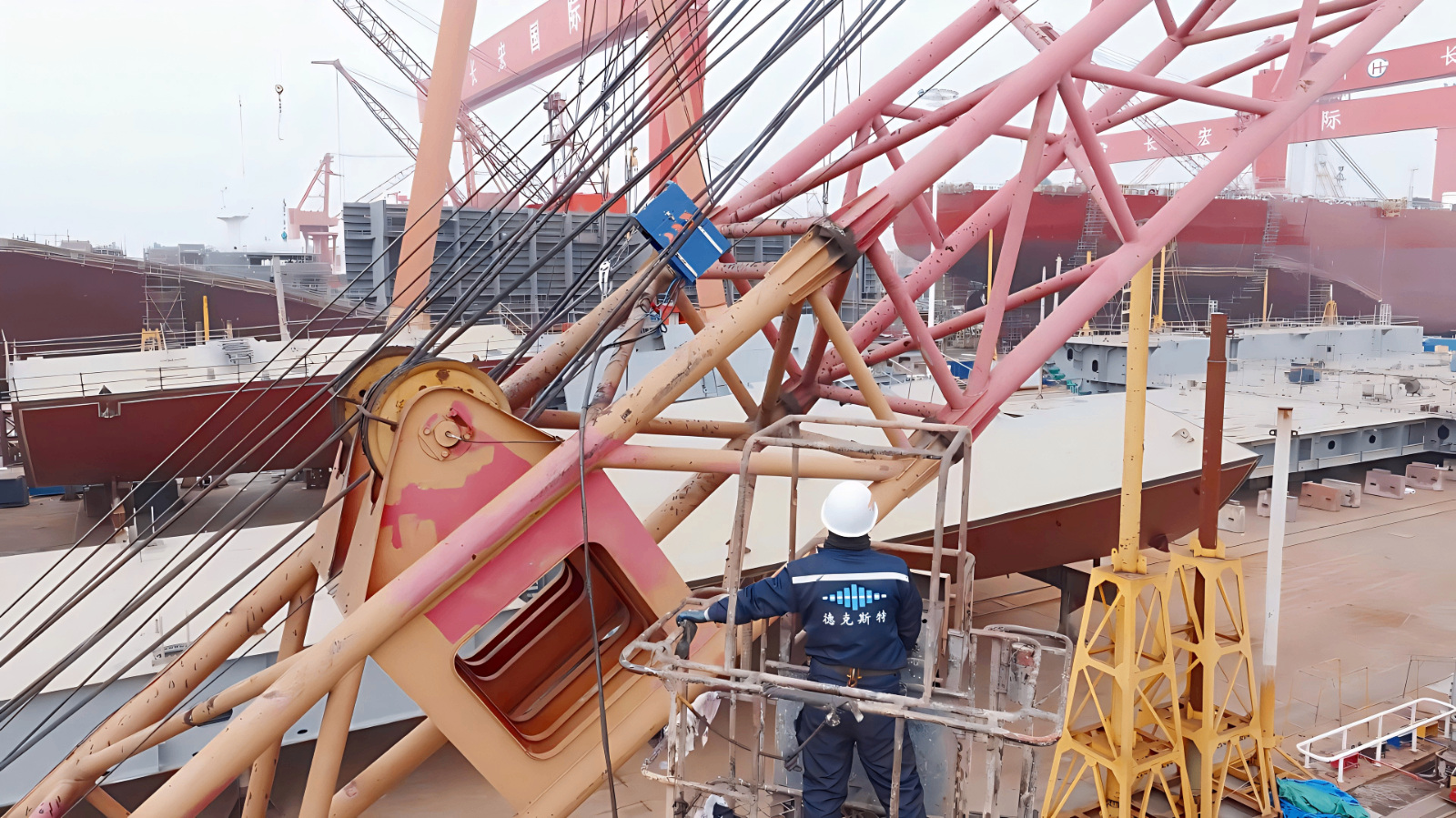
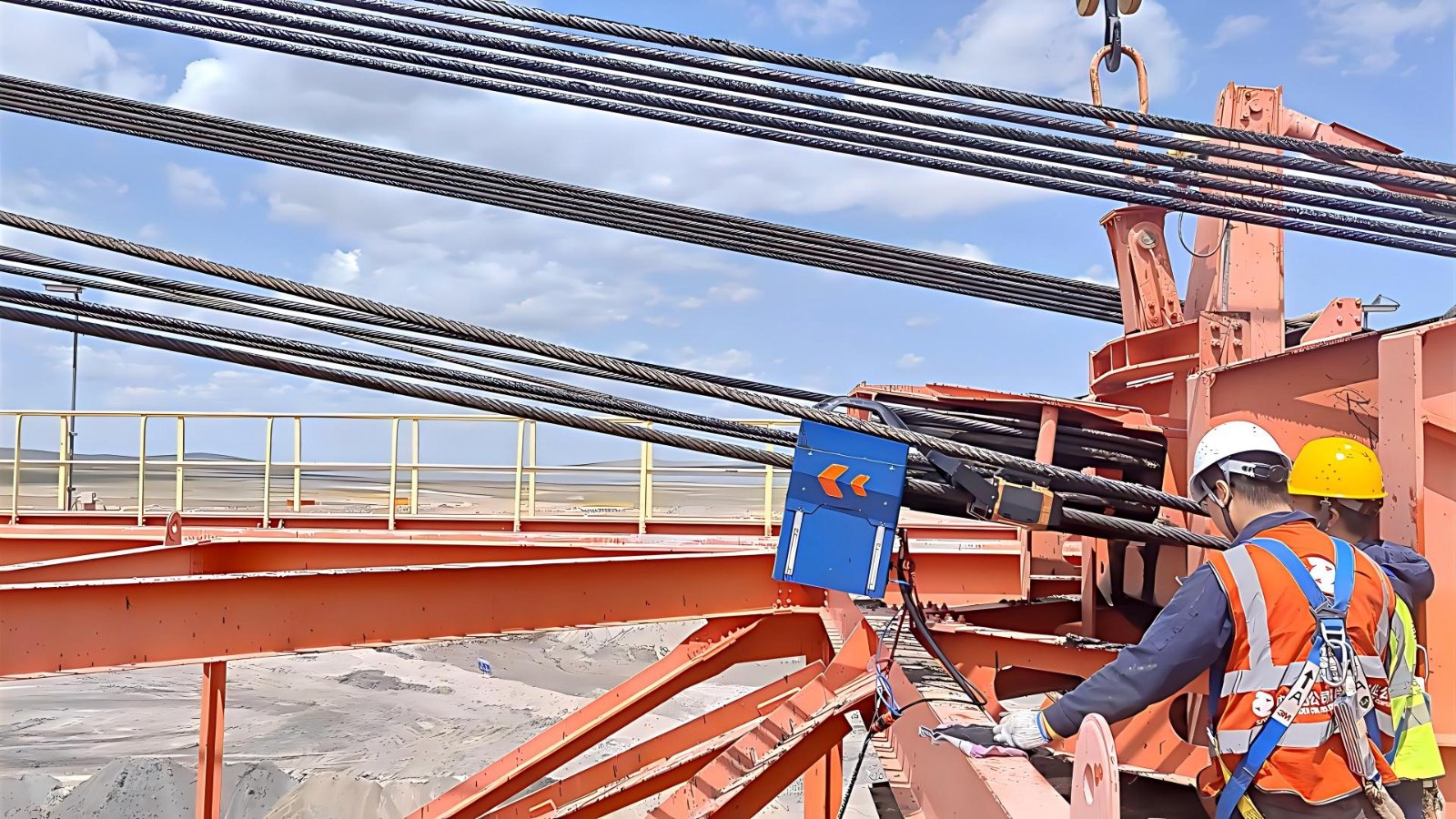
· National standards require that steel wire ropes must be cleaned and lubricated regularly to ensure full penetration and good condition.Traditional manual lubrication has problems such as high-altitude risks, uneven coating, low efficiency, high waste, and environmental pollution.The Automatic Steel Wire Rope Lubrication and Maintenance Robot from Shandong Dexter Environmental Technology Development Co., Ltd (DETD). uses intelligent equipment to achieve compliant, efficient, and safe standardized lubrication operations.
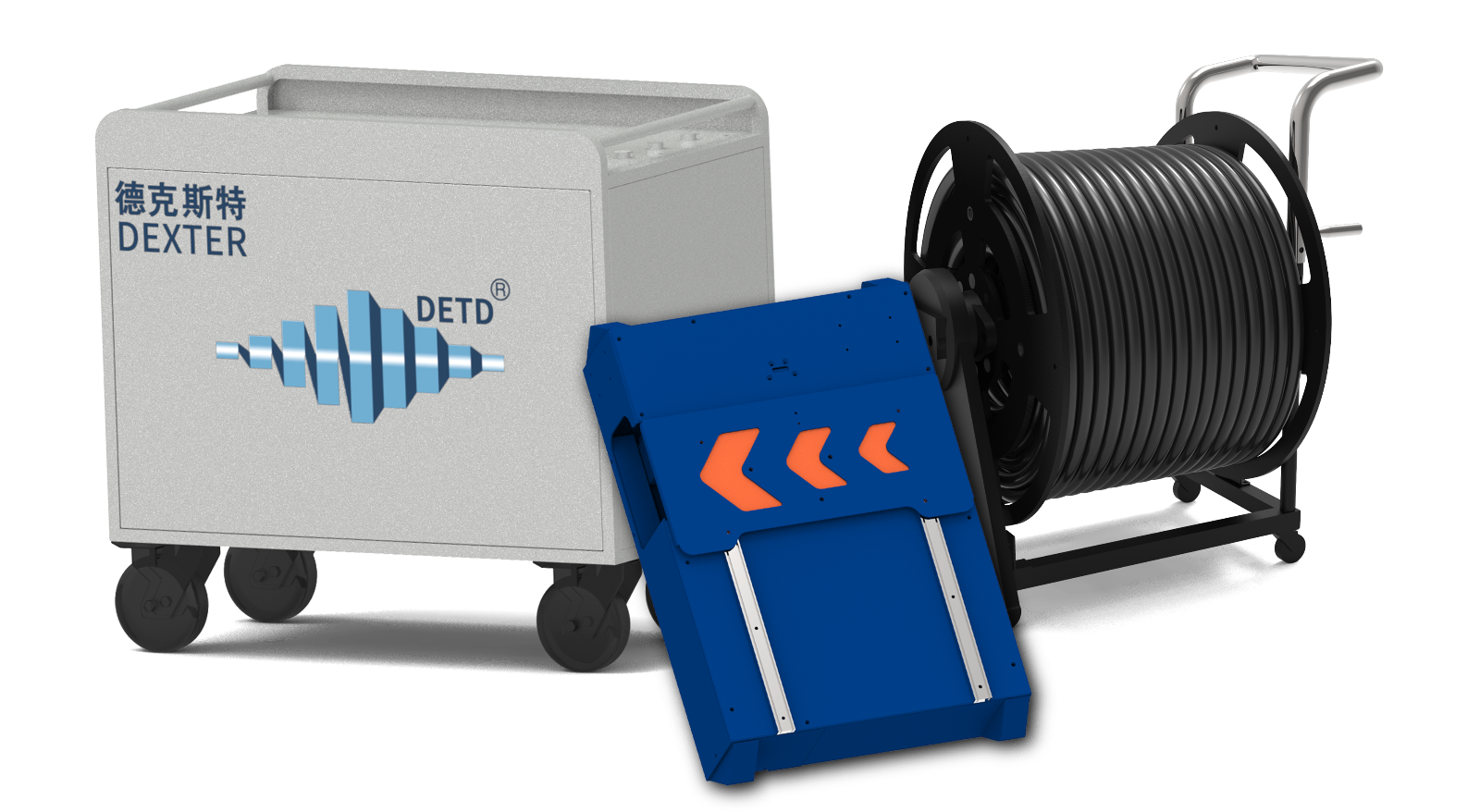
· Technical Features of Dexter Automatic Steel Wire Rope Lubrication and Maintenance Robot
1. Automatic crawling, full-angle adaptation: Remote-controlled movement, maximum climbing angle 90°, covering vertical, inclined, and luffing wire ropes.
2. Integrated cleaning and lubrication: Remove and collect old oil when ascending; apply quantitative oil when descending, with uniform and controllable oil film and no leakage pollution.
3. High-pressure penetration to the rope core: Special diversion groove and pressurized oil supply allow grease to penetrate deep into strands, significantly improving anti-corrosion and anti-wear effects.
4. Full-coverage without dead zones: Reaches areas difficult for manual operation, realizing full-rope maintenance.
5. Ground control, safe and efficient: Greatly reduces high-altitude risks, shortens downtime, and saves labor and consumable costs.
6. Modular expansion: Can integrate flaw detection, vision and other modules to realize one-stop “lubrication + testing” operation, meeting regular inspection requirements.
6 Discard Standards (Mandatory Clauses of GB/T 5972-2023)
· The steel wire rope must be discarded immediately if any of the following conditions occur:
1. Number of broken wires exceeds the limit within one lay length
2. Nominal diameter reduction ≥ 7%
3. Outer wire wear ≥ 40%
4. Severe rust, pitting corrosion, or corrosion damage
5. Permanent deformation such as kinking, flattening, strand loosening, or rope core extrusion
6. Heat damage, arc damage, or structural damage
7 Ledger and Full-Life-Cycle Management
· Establish full-process records of inspection, lubrication, replacement, and discard
· Implement “one rope, one file” to achieve traceable management
· Dynamically optimize replacement cycle based on operation data
· Meet safety codes and inspection authority review requirements
8 Safe Operation Guidelines
1. Fasten safety belts for high-altitude maintenance and implement standardized schemes
2. Special personnel command and control the speed of mechanism movement
3. Replace immediately when discard standards are met; operation with defects is prohibited
4. Initial inspection before new ropes are put into use; comprehensive re-inspection after being out of service for more than 3 months
5. Store in dry and ventilated place to prevent moisture and corrosion
9 Conclusion
Steel wire rope maintenance in ports is a safety bottom line, compliance requirement, and benefit guarantee.Based on national standards and supported by intelligent equipment, safety can be significantly improved, service life extended, and comprehensive costs reduced.The Automatic Steel Wire Rope Lubrication and Maintenance Robot from Shandong Dexter Environmental Technology Development Co., Ltd (DETD). provides professional, intelligent, and environmentally friendly full-life-cycle maintenance solutions for port lifting equipment, helping ports develop safely, efficiently, and greenly.